
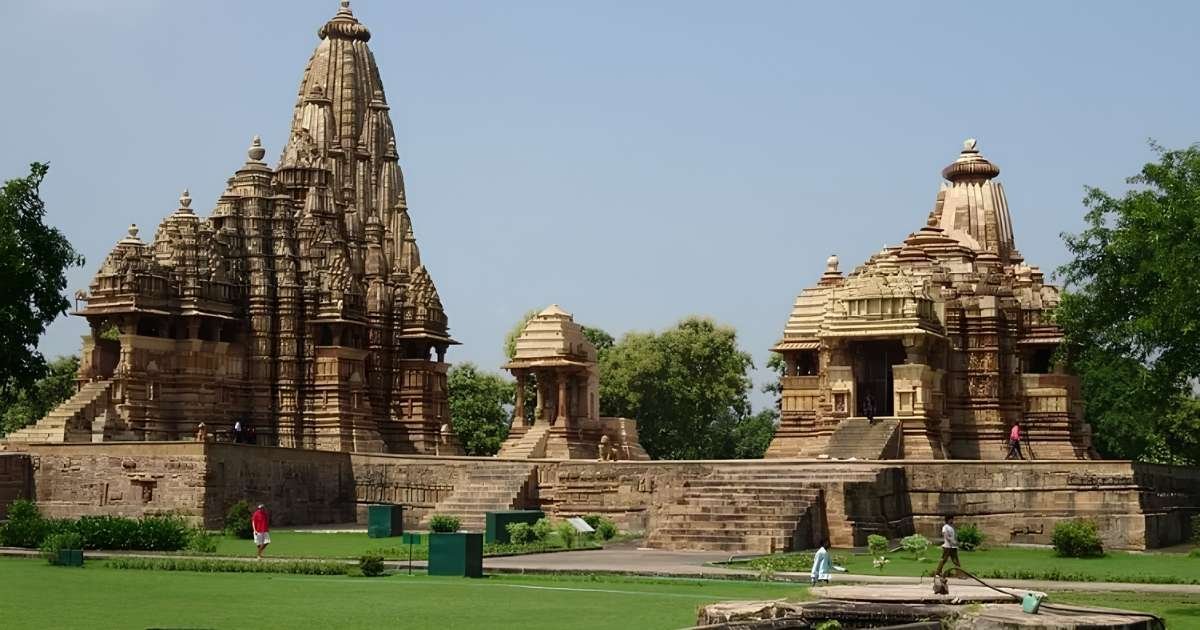
Every January, a quiet village near Warangal fills with tents, drumbeats, turmeric rangoli and lakhs of pilgrims. The reason is the Inavolu Mallikarjuna Swamy Temple, a Kakatiya era Shiva shrine where the deity is worshipped as Mallanna.
Away from the festival crowds, the temple is still worth the trip. It offers carved stone, a living folk tradition and a rare link to the story of the Kakatiya gateways.
This guide covers history, mythology, architecture, rituals, festivals, timings, distances and stay options. Details were checked against news reports, heritage listings and travel references, and the places where sources disagree are flagged.
Quick facts
| Detail | Information |
| Deity | Mallikarjuna Swamy (Mallanna), a form of Shiva |
| Location | Inavolu village, Hanamkonda district, Telangana |
| Traditional builder | Ayyanna Deva, minister of the Kakatiya kingdom |
| Era | 11th to 12th century CE |
| Distance from Warangal | About 17 to 18 km |
| Commonly listed timings | 6 AM to 12 PM and 4 PM to 7 PM |
| Main festival | Inavolu Mallanna Jatara, Sankranti to Ugadi |
| Best season | October to March |
Inavolu Temple History
The temple is traditionally linked to Ayyanna Deva, a minister of the Kakatiya kingdom. News reports credit him with building the shrine in the 12th century, while other accounts place the construction in the 11th century. The safest description is a Kakatiya era temple of the 11th to 12th century.
Local belief also ties the village name to its patron. One heritage blog says the name Inavolu comes from Ayyanna. You may also see the spellings Ainavolu and Inole.
The temple’s care stayed local for centuries. The Marneni clans of the village reportedly managed it from Kakatiya times and handed it to the Endowments Department in 1969.
Inavolu also matters to the story of the Keerthi Thoranams, the ornate stone gateways that became a Kakatiya symbol. In 2016, locals found carved pillars of another thoranam lying near a hillock in the village, apparently unassembled for about 900 years. Several guides describe Inavolu as an early site for these gateways, before the better known ones at Warangal Fort.
Role in Kakatiya Shaivism
The Kakatiyas ruled from Orugallu, today’s Warangal, and patronised Shiva worship on a grand scale. The Thousand Pillar Temple in Hanamkonda and the Ramappa Temple at Palampet, a UNESCO World Heritage Site, are the famous examples.
Inavolu shows that this patronage reached beyond the capital. A minister’s shrine in a village suggests that royal support extended into the countryside.
The temple also reflects a blend of traditions. Formal temple worship here sits beside the folk devotion of Mallanna. The Marneni families, the Oggu priests and the Golla and Balija communities each have a place in its story.
Read More: Swarnagiri Temple Hyderabad: History Timings & Travel Tips
Mythological Significance
Mallanna is the regional form of Shiva, and Mallikarjuna is his Sanskrit style. Telugu devotees know him as a protector of farmers, shepherds and families.
The presiding deity is worshipped here as Mylarudeva, with the consorts Balija Medalamma and Golla Kethamma. Their union is the heart of the legend. The celestial wedding of Mallikarjuna Swamy with the two consorts is a highlight of the jatara, held around Mahashivaratri.
The story is carried by oral tradition rather than a single written text. At Komuravelli, the Mallanna tale is sung in Oggu Katha, and the god is said to win Medalamma after facing conditions set by her brothers. The same narrative is told across Telangana, and Inavolu is one of its oldest living homes.
In Maharashtra the deity is known as Khandoba, which helps explain why pilgrims travel here from neighbouring states.
Temple Architecture: Kakatiya Brilliance in Stone
Kakatiya builders are known for fine stone carving, polished pillars and richly decorated gateways. Inavolu follows that tradition.
Here is what to look for:
- Mandapa: A 24 pillared mandapa stands in front of the temple.
- Pillar count: Many guides mention 108 pillars and a large dance hall on the eastern side. The numbers differ depending on how the complex is measured.
- Entrances: Four entrance gates carry detailed carvings.
- Thoranams: Toranas surround the temple on the north, south and east. The northern thoranam was installed and inaugurated in 2018.
- Take your time at the doorways and pillar bases. The sculptural detail rewards a slow walk more than a quick darshan.
Subsidiary Deities
The main sanctum belongs to Mallikarjuna Swamy, but he is never worshipped alone. The shrines and images of Balija Medalamma and Golla Kethamma complete the divine family.
As at most Shiva temples, a Nandi faces the sanctum. Devotees usually greet him before entering.
Small shrines and carved figures around the complex can vary with renovation work, so ask the temple priests or staff about the current layout.
Rituals and Daily Worship
Daily worship follows the familiar Shiva temple pattern. Expect early morning abhishekam, archana, offerings of food and an evening aarti. Exact sevas and fees change, so confirm them at the temple office.
Some practices are unique to the Mallanna tradition:
- Patnam: Oggu priests draw patnalu with turmeric on Bhogi, the first day of the jatara.
- Vow offerings: Devotees come to fulfil promises made for health, work or family.
- Tonsure: The temple has a kalyanakatta, a facility for head tonsure offerings.
Arrive early on weekdays for a calm darshan.
Festivals Celebrated at Inavolu Temple
The Inavolu Mallanna Jatara is the main event. It begins at Sankranti and runs until Ugadi, and Bhogi, Sankranti and Kanuma draw the largest crowds. Around 10 lakh devotees were expected at one recent jatara.
The celebrations include Shivasattu possession rituals, games by the Oggu priests and traditional dances. Visitors arrive from Telangana, Maharashtra, Karnataka, Chhattisgarh and Andhra Pradesh.
Other occasions include:
- Maha Shivaratri
- Ugadi, the Telugu New Year
- Karthika Masam
- Pradosham
Jatara dates follow the Telugu calendar, so check the Endowments Department announcement each year. Dates published long in advance are often estimates.
Spiritual Significance for Devotees
For many families, Inavolu is a place of promise and gratitude. People pray for healthy children, good harvests and relief from hardship, then return to offer thanks.
The temple also carries a strong sense of community. Pilgrims often come as extended families, camp together and share food. The experience feels closer to a shared homecoming than a single visit.
Shiva devotees also value the calm of the quieter months. Without the jatara crowds, the complex feels peaceful and suited to unhurried prayer.
Read More: Cheeryal Narasimha Swamy Temple Keesara: History & Timings
Inavolu Temple and Village Life
The temple shapes the rhythm of the village. During the jatara, hundreds of thousands of devotees pitch temporary tents around the temple and stay a day or two.
Local families host pilgrims, run small stalls and provide transport. Hereditary groups such as the Oggu priests and the Marneni families keep customs alive from one generation to the next.
Outside festival season, the village returns to a slow, rural pace. Visitors should respect that and keep noise and waste to a minimum.
Inavolu Amaravati
A search for “Inavolu Amaravati” often leads to a different place. There is an Inavolu village in Thullur mandal of Guntur district, close to the Andhra Pradesh Secretariat and VIT-AP in the Amaravati capital region.
That village is not the site of the Mallikarjuna Swamy Temple. The Kakatiya temple is in Telangana, several hundred kilometres away. Check the district name before you set your map.
Inavolu Andhra Pradesh
There is a second Inavolu in the state as well. It lies in Nuzendla mandal of Palnadu district, Andhra Pradesh.
The confusion has a historical side. Telangana was part of undivided Andhra Pradesh until 2014, so older travel pages still file the temple under Andhra Pradesh. One popular listing still shows it under an Andhra heading. Today the temple belongs to Telangana.
Inavolu Mallanna Temple Location
The temple stands in Inavolu village. It sits in Wardhannapet mandal, and the village is in Hanamkonda district. Older sources may say Warangal or Warangal Urban because district names have changed.
Pincodes vary between listings, so search Google Maps for “Inavolu Mallikarjuna Swamy Temple” and follow the pinned location.
How to Reach Inavolu Mallikarjuna Swamy Temple
By road: The temple lies on the Warangal to Khammam route. Drive about 11 km along the highway to a large arch welcoming visitors to the temple, turn right and continue about 7 km. Buses toward Khammam stop at the arch, and autos run from there.
By train: Kazipet Junction is listed as the nearest railway station. Warangal station is another option, with taxis and autos outside.
By air: The nearest major airport is Hyderabad. Road distance is roughly 145 to 170 km, depending on the source and route.
Festival days bring heavy traffic. Start early and keep extra travel time.
Read More: Guruvayur Darshan Online Booking 2026: Complete Guide, Tickets & Timings
Best Time to Visit
October to March is the recommended window. Winter mornings are comfortable, and the jatara and Maha Shivaratri fall in this period.
- January to March: Best for atmosphere, but expect crowds and long queues.
- October to December: Calmer visits and pleasant weather.
- April to June: Hot in Warangal, so go at dawn.
- Monsoon: Greener scenery, though village roads can be slippery.
If you prefer quiet prayer, choose a weekday outside Sankranti.
Preservation and Cultural Importance
The temple complex is maintained by the archaeological department, and worship continues. Preservation here means protecting both stone and tradition.
Recent efforts include reinstalling thoranams. Officials have also announced plans for a dormitory hall, kalyana mandapam, kalyana katta and a permanent building for Oggu priests. A master plan for permanent visitor facilities has also been proposed. Check with local authorities for the current status of these projects.
Visitors can help by following a few simple habits:
- Do not climb on carved stones.
- Avoid plastic and litter.
- Never write on walls or pillars.
- Dress modestly and keep footwear outside.
Warangal to Inavolu Mallanna Temple Distance
Inavolu is about 17 km from Warangal, and many guides round it to 18 km. Some pages quote 8 to 10 km, which is closer to a straight line than the road route.
- Warangal city to temple: about 17 to 18 km
- Typical drive time: 30 to 45 minutes outside festival days
- Hyderabad to temple: roughly 145 to 170 km
Allow longer during the jatara, when roadside parking and local traffic slow everything down.
Inavolu Mallanna Temple to Komuravelli Mallanna Temple
Many pilgrims visit both Mallanna shrines. One route calculator gives about 96 km by road and a drive of nearly two hours. Other guides quote 95 to 105 km and 2 to 2.5 hours.
Komuravelli is a hill temple in Siddipet district, so it feels very different from Inavolu’s open stone complex. Its main deity is traditionally shown as a large clay idol. A Komuravelli railway station was opened in 2026, which may improve access for rail travellers.
For a two temple trip, start at Inavolu in the morning, drive to Komuravelli and stay overnight nearby. Use live navigation before you leave.
Inavolu Mallanna Temple Room Booking
The temple does not offer an official online room booking facility. Most pilgrims stay in Warangal or Hanamkonda, and some trusts offer basic dormitory lodging near the temple during the jatara on a first come basis.
Your best options are:
- Warangal and Hanamkonda hotels: Wide range of budgets, bookable on major travel platforms.
- Telangana Tourism stays: The Haritha Kakatiya Hotel lists rooms and dormitory beds with an online booking option.
- Local dharmashalas: Ask at the temple office on arrival.
A Haritha hotel near the temple was proposed in 2022, but confirm whether it exists before planning around it. Book Warangal hotels weeks ahead for January to March.
FAQ’s
Where is Inavolu Mallikarjuna Swamy Temple located?
It is in Inavolu village, Hanamkonda district, Telangana, about 17 to 18 km from Warangal on the Khammam route.
What are the temple timings?
Commonly listed timings are 6 AM to 12 PM and 4 PM to 7 PM. Some pages list 6 AM to 9 PM, so confirm locally during festivals.
Who built the Inavolu Mallikarjuna Swamy Temple?
Tradition credits Ayyanna Deva, a minister of the Kakatiya kingdom, in the 11th to 12th century.
What is special about the Inavolu temple’s Shivalinga?
The temple is better known for the Mallanna tradition and Kakatiya stonework than for any single unusual linga. Ask the priests about the sanctum’s local customs.
When is the Inavolu Mallanna Jatara held?
It begins around Sankranti in January and continues until Ugadi in March or April. Bhogi, Sankranti and Kanuma are the busiest days.
Is there a room booking facility at Inavolu temple?
There is no official online booking. Most visitors stay in Warangal or Hanamkonda.
How far is Inavolu Temple from Komuravelli Mallanna Temple?
The road distance is about 96 to 105 km, roughly two to two and a half hours by car.
What is the best time to visit Inavolu Mallikarjuna Swamy Temple?
October to March is best, with January to March offering the full jatara atmosphere.
Conclusion
Inavolu Mallikarjuna Swamy Temple blends Kakatiya architecture, folk devotion and village tradition in one place. It suits history lovers, Shiva devotees and travellers who prefer living culture to polished tourism. Plan around the jatara or choose a quieter weekday, confirm timings locally, and stay in Warangal for comfort.