
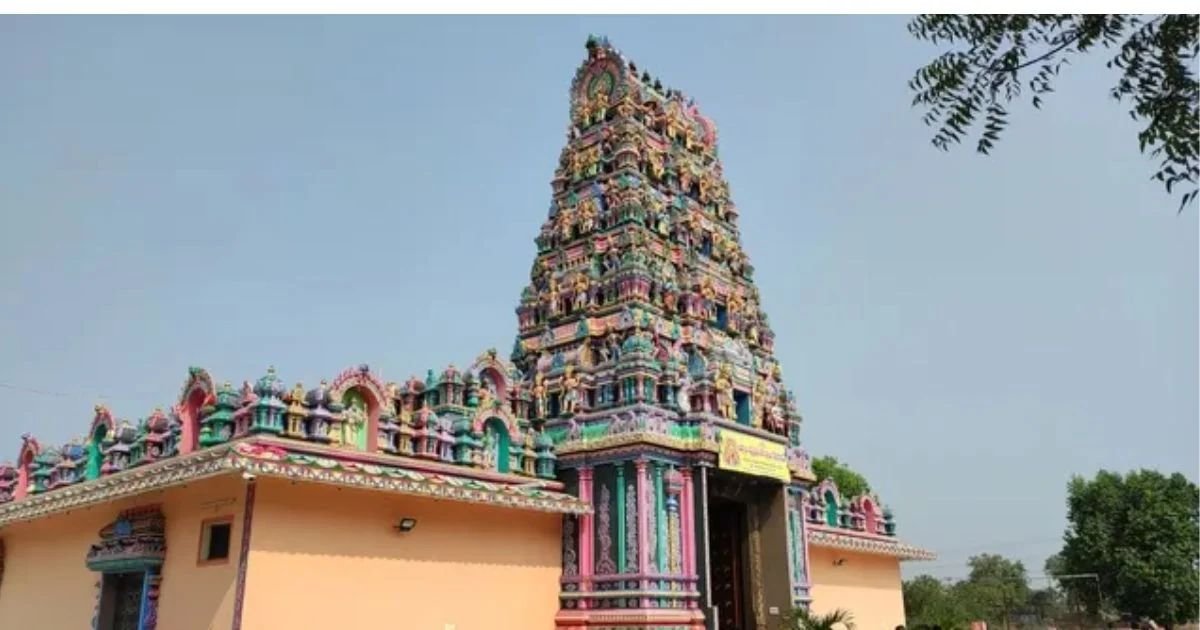
Tucked away in Cheeryal village near Keesara, this Lakshmi Narasimha Swamy temple has quietly grown into one of the well-known Vishnu shrines on the outskirts of Hyderabad. Devotees travel here for its peaceful setting, its connection to Yadagirigutta traditions, and its grand annual Brahmotsavam.
This guide brings together everything a devotee needs before visiting, the temple’s history, timings, festivals, dress code, directions, and answers to common questions. Where sources disagree on details like the exact age of the temple, that is mentioned clearly so you have an honest picture.
Location of Cheeryal Lakshmi Narasimha Swamy Temple
The temple is located in Cheeryal village, Keesara mandal, Medchal Malkajgiri district, Telangana, on the outskirts of Hyderabad. It sits close to the well-known Keesara Gutta Shiva temple, making the area a small pocket of pilgrimage activity.
Quick location facts:
- Village: Cheeryal
- Mandal: Keesara
- District: Medchal Malkajgiri
- Nearby landmark: Keesara Gutta Lord Shiva Temple
- Approximate distance from Hyderabad: Around 30 to 32 km, depending on your starting point
- Approximate distance from ECIL X Roads: Around 10 km
Since exact distance depends on where you start, the safest approach is to search “Cheeryal Lakshmi Narasimha Swamy Temple” on Google Maps and let it calculate the route from your location.
Cheeryal Lakshmi Narasimha Swamy Temple History
The history of this temple is told in two different ways across sources, and it is worth knowing both.
The ancient account: Some sources describe the temple as being built during the Kakatiya dynasty, around the 13th century, with architecture reflecting that era’s carving style. This version places the temple among the older Vishnu shrines in the region, renovated and expanded over centuries, with a major renovation completed around 2018.
The devotional revival account: Other sources trace the current temple’s story to a more recent, deeply personal origin. A devotee is said to have brought home a picture of Yadagirigutta Lakshmi Narasimha Swamy and placed it in his family prayer room, which gradually became a spot for community worship. His son later received the sacred Narasimha mantra from a guru and consecrated a Narasimha idol on 19 April 2007, formally establishing the temple as it stands today.
Both accounts may reflect different chapters of the same site: an old shrine tradition in the area, followed by a modern revival and consecration that shaped the temple most devotees visit today. If temple history matters to your visit, it is worth asking the local priests for their account, since oral tradition often holds details that written sources miss.
Significance of Lord Lakshmi Narasimha Swamy
Lord Narasimha is the fourth avatar of Vishnu, taking the form of half-man and half-lion to protect his devotee Prahlada and destroy the demon Hiranyakashipu. Here, he is worshipped alongside Goddess Lakshmi as Lakshmi Narasimha Swamy, a form associated with protection paired with grace and abundance.
Devotees consider this form significant for a few reasons:
- Protection from harm. Narasimha is invoked to remove fear, obstacles, and negative influences.
- Balance of strength and compassion. The Lakshmi Narasimha form softens Narasimha’s fierce energy with Lakshmi’s gentle presence.
- Fulfilment of vows. Many devotees visit after praying for a wish and return to offer thanks once it is fulfilled.
- Connection to Yadagirigutta. Since the temple’s story is closely tied to Yadagirigutta traditions, devotees often visit both shrines as part of the same spiritual journey.
Read More:Tadbund Hanuman Temple Hyderabad: History, Timings, Location & Travel Guide
Temple Architecture
The temple architecture reflects a traditional South Indian temple design, with features commonly associated with Kakatiya-style construction:
- A Raja Gopuram, described in some accounts as a five-tier entrance tower
- A Dwajasthambam (flag pillar) placed in front of the Garbha Gudi (sanctum)
- Carved pillars and sculpted panels depicting deities and mythological scenes
- A sanctum housing the main Lakshmi Narasimha idol, consecrated through traditional Vedic rites
The temple has undergone renovation work over the years to maintain its structure while preserving its traditional character, so the current appearance may reflect both older craftsmanship and more recent restoration.
Daily Rituals and Sevas
Like most Vishnu temples following Vaikhanasa or Pancharatra traditions, Cheeryal temple conducts a set of daily rituals. Commonly practised rituals at temples of this type include:
- Suprabhatam: Morning ritual to awaken the deity
- Archana: Chanting of the deity’s sacred names for individual devotees
- Abhishekam: Ritual bathing of the deity, often performed on special days
- Alankaram: Decoration of the deity with flowers and traditional attire
- Swathi Nakshatram sevas: Special monthly sevas observed on the Swathi star day in many Narasimha temples
Exact seva names, timings and prices at Cheeryal can vary, so it is best to confirm with the temple priests on the day of your visit, especially if you want to book a specific ritual.
Cheeryal Lakshmi Narasimha Swamy Temple Timings
Reported timings for the temple are generally as follows:
| Day | Morning | Evening |
| Monday to Friday | 6:30 AM to 12:30 PM | 4:00 PM to 8:00 PM |
| Saturday and Sunday | 6:30 AM to 2:00 PM | 4:00 PM to 8:00 PM |
Some listings simply describe the temple as open from early morning, around 5 AM, until late evening. Since sources do not fully agree, it is a good idea to call ahead or check locally before planning a long trip, particularly on weekends when timings may extend.
Festivals Celebrated
Festivals bring the temple to life, with larger crowds, special decorations and extended rituals.
Brahmotsavam
The Brahmotsavam is the temple’s biggest and most important festival, typically celebrated over four days in April. Highlights include:
- Daily celebrations often running from early morning to late evening
- Sudarshan Narasimha Yagam, a special fire ritual performed during the festival
- Raksha Bandhan-related observances tied into the festival calendar
- A grand Shobha Yatra (procession) of Lord Narasimha through the village on the final day
Exact dates shift slightly each year based on the temple’s calendar, so it is worth checking closer to April for the confirmed schedule.
Read More: Pavagadh Ropeway Timings 2026: Opening Time, Ticket Price & Booking
Other Major Celebrations
Beyond Brahmotsavam, the temple also observes:
- Narasimha Jayanti, marking the Lord’s appearance
- Swathi Nakshatram day, observed monthly with special abhishekams in many Narasimha temples
- Regular festival days shared across the Vishnu temple calendar, such as Vaikunta Ekadasi
How to Reach Cheeryal Lakshmi Narasimha Swamy Temple
By Road
The temple is well connected by road from Hyderabad, generally reached via the Keesara route. It is roughly 30 to 32 km from central Hyderabad and around 10 km from ECIL X Roads, close to Keesara Gutta. Cabs and self-driven vehicles are the most convenient options, since public transport connectivity to the village itself is limited.
By Bus
TSRTC buses run to Keesara from various parts of Hyderabad. From Keesara, a short auto or cab ride takes you the rest of the way to Cheeryal village. Check the current TSRTC route and schedule before your trip.
By Train
The nearest major railway stations are in Secunderabad and Hyderabad city, both around 30 plus km away. From either station, a cab or pre-arranged transport is the easiest way to reach the temple.
By Air
Rajiv Gandhi International Airport, Shamshabad, is the nearest airport, located a considerable distance from Cheeryal. Plan for a cab journey of well over an hour depending on traffic, since the temple is on the opposite side of the city from the airport.
Best Time to Visit
The most comfortable time to visit is between October and February, when Hyderabad’s weather is cooler and more pleasant for travel and outdoor queues.
If you want a festive experience, plan your visit around the Brahmotsavam in April, keeping in mind that crowds will be significantly larger during this period. For a quiet, reflective visit, weekday mornings outside festival season are your best bet.
Rules and Dress Code
Like most traditional temples in Telangana, Cheeryal Lakshmi Narasimha Swamy Temple expects modest, respectful attire and behaviour.
Suggested dress code:
- Men: Dhoti or pyjama with a shirt, or simple traditional wear
- Women: Saree or salwar kameez, avoiding sleeveless or short outfits
- Children: Comfortable, modest clothing
General etiquette:
- Remove footwear before entering the temple premises.
- Keep mobile phones on silent inside the sanctum area.
- Follow the queue system, especially during festivals.
- Avoid loud conversations near the sanctum.
- Respect instructions from priests and temple staff.
Read More: Biggest Hindu Temple in the World: Complete 2026 Guide
Nearby Temples to Visit
Since you are already travelling toward Keesara, consider combining your visit with these nearby shrines:
- Keesara Gutta Shiva Temple: Just a few kilometres away, dedicated to Lord Shiva
- Yadagirigutta Lakshmi Narasimha Swamy Temple: A major pilgrimage site with a historical connection to Cheeryal’s temple origin story
- Other small village shrines around Medchal Malkajgiri district, worth exploring if you enjoy a slower, local temple trail
Spiritual Experience and Devotee Beliefs
Devotees describe the temple’s atmosphere as calm and grounding, away from the noise of the city. Many visitors come with specific requests, such as:
- Seeking relief from fear or anxiety, given Narasimha’s role as a protector
- Praying before starting new ventures or making major life decisions
- Returning after a wish is fulfilled to perform a thanksgiving pooja
The temple’s link to Yadagirigutta traditions adds another layer of meaning for devotees who see both shrines as part of one spiritual journey rather than separate visits.
Cheeryal Lakshmi Narasimha Swamy Temple Sub Temples
Temples of this scale in Telangana often include smaller shrines within the same complex. While specific sub-temple details can vary by source, visitors commonly find:
- A shrine or idol dedicated to Goddess Lakshmi alongside the main sanctum
- Additional smaller shrines for deities such as Hanuman, depending on the temple’s layout
- A Dwajasthambam area used during processions and special rituals
It is best to confirm the exact sub-shrines present during your visit, since temple complexes are sometimes expanded over time.
Cheeryala Lakshmi Narasimha Swamy Temple Tickets
General darshan at the temple is free for all devotees. There is no compulsory entry fee to visit the sanctum and have darshan of Lord Lakshmi Narasimha.
For special sevas such as abhishekam or Brahmotsavam-related rituals, an offering or fee may apply. Since prices are not consistently published online, confirming the current rate at the temple counter is the most reliable approach.
Cheeryal Lakshmi Narasimha Swamy Temple Contact Number
A single, widely verified official contact number for the temple is not consistently listed across reliable sources. To get accurate, current contact details:
- Search “Cheeryal Lakshmi Narasimha Swamy Temple” on Google, which often displays a phone number on the Google Business listing.
- Confirm the number is active, especially if you plan to ask about seva bookings or festival schedules.
Cheeryal Laxminarasimha Swamy Temple Website
There is no single, widely confirmed official website run directly by the temple trust. For dependable updates, especially around Brahmotsavam dates:
- Check local Telugu news coverage closer to festival season
- Call the temple directly using the number from its verified Google Business listing
- Confirm details in person if you are planning a long-distance trip
Treat any third-party site claiming to be the temple’s “official portal” with some caution unless it can be independently verified.
FAQ’s
Where is Cheeryal Lakshmi Narasimha Swamy Temple located?
It is located in Cheeryal village, Keesara mandal, Medchal Malkajgiri district, near Keesara Gutta, about 30 km from Hyderabad.
What are the temple timings on weekdays?
On weekdays, the temple is generally open from 6:30 AM to 12:30 PM and again from 4:00 PM to 8:00 PM.
Is there an entry fee for darshan at Cheeryal temple?
No, general darshan is free. Special sevas may involve an offering, confirmed at the temple counter.
When was the Cheeryal Narasimha Swamy Temple built?
Sources differ. Some trace it to the Kakatiya era, while others describe a modern idol consecration on 19 April 2007.
What is the best time to visit the Cheeryal temple?
October to February offers pleasant weather, while April’s Brahmotsavam is ideal for a festive experience.
Which sub-temples are present inside the temple complex?
Reports mention a Goddess Lakshmi shrine and possibly other smaller shrines, though exact details vary by source.
What is the contact number for Cheeryal Lakshmi Narasimha Swamy Temple?
No single verified number is widely published. Check the temple’s Google Business listing for the current contact.
What is Cheeryal Narasimha known as among devotees?
He is worshipped as Lakshmi Narasimha Swamy, seen as a protector who removes fear and fulfils devotees’ sincere wishes.
Final Thoughts
Cheeryal Lakshmi Narasimha Swamy Temple offers a quieter, more personal alternative to Hyderabad’s larger pilgrimage sites, without losing the spiritual depth devotees look for. Its layered history, whether rooted in centuries-old tradition or a more recent devotional revival, adds to its charm rather than taking away from it.
Before you plan your trip, confirm the current timings, check the Brahmotsavam dates if you want the festive experience, and dress modestly out of respect for temple customs. A visit here pairs naturally with a stop at nearby Keesara Gutta, making for a fulfilling half-day pilgrimage trail just outside the city.