
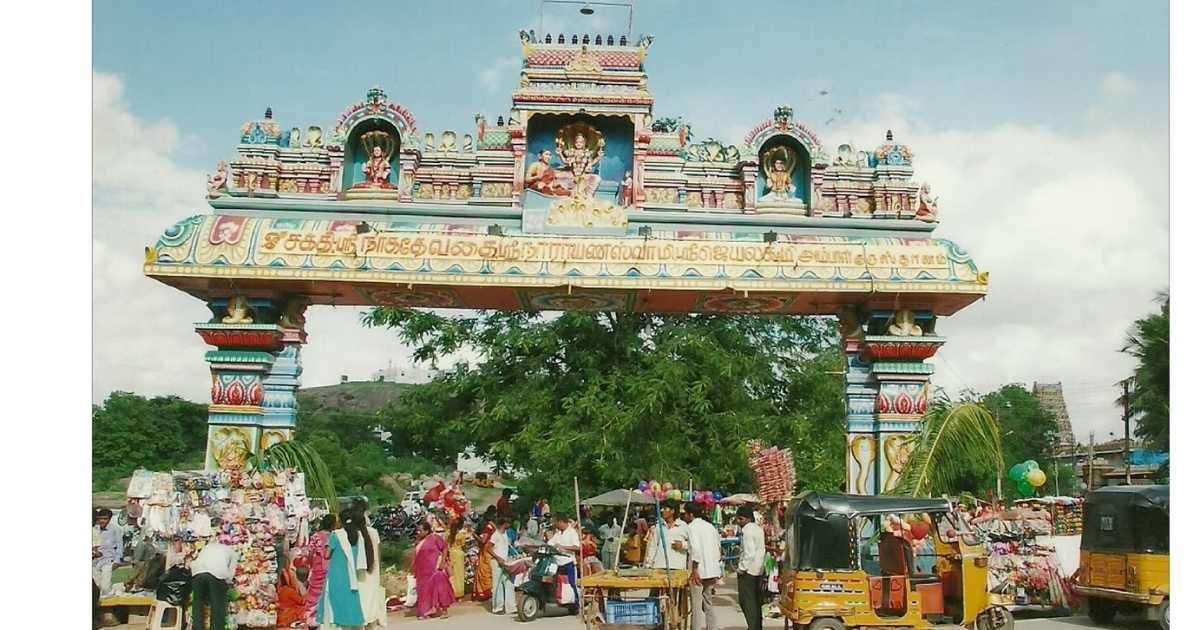
Tucked inside the greenery of the Secunderabad Cantonment in Telangana, the Naga Devatha Temple at Tirumalagiri is one of the most visited serpent deity shrines in the twin cities of Hyderabad and Secunderabad. Devotees from across Telangana and Andhra Pradesh travel here to seek blessings from Goddess Nagamma for family well-being, fertility, marriage, and relief from astrological troubles such as Naga Dosha and Sarpa Dosha.
What makes this temple special is not only its serene setting but also its story. Built through decades of grassroots devotion rather than royal patronage, it has grown from a small roadside shrine into one of the busiest Naga temples in the region.
This guide walks you through everything a devotee or first-time visitor needs: the temple’s history, its architecture, daily rituals, Naga Dosha poojas, festivals, timings, and how to plan your visit end to end.
Naga Devatha Temple Tirumalagiri History
The origins of the Naga Devatha Temple go back to the period of British rule, when Secunderabad functioned as a major cantonment town for the colonial army. A modest shrine dedicated to the serpent goddess, popularly called Nagamma, already existed in this area under the shade of a tree, a common form of Naga worship still seen across South India.
The temple as it stands today owes its growth largely to the efforts of Sree Jayalakshmi Amma Garu, a local devotee whose personal faith in Naga Devi became the driving force behind building a proper structure. According to accounts shared by the temple’s hereditary trustees, her efforts to construct a larger temple began in the early 1960s.
Construction did not go smoothly at first. Because the temple falls within Secunderabad Cantonment, which is under military jurisdiction, Cantonment authorities initially opposed the building work. Over time, out of respect for the depth of local devotion, permission was granted and construction went ahead.
A few key milestones define the temple’s early history:
- The first Naga Panchami festival at the temple was celebrated in 1967.
- The first phase of the temple’s construction was completed by 1970.
- Several stone pillars used inside the temple were sourced from the Ujjaini Mahankali Temple in Secunderabad, set aside during that temple’s own renovation work.
- A community marriage hall was added to the premises in the early 1990s.
Since then, the temple has grown into a well-known religious landmark of the Cantonment area, drawing steady crowds of devotees, especially on Fridays and during Naga-related festivals. Local families also pass down oral accounts of miraculous incidents connected to the deity’s protective power, which continue to strengthen devotees’ faith even though such stories exist mainly as community folklore rather than documented history.
Spiritual Significance of Naga Devatha Worship
Naga Aradhana, or serpent worship, is among the oldest continuing traditions within Hinduism. Snakes are viewed not as ordinary creatures but as divine intermediaries linked to fertility, protection, wisdom, and cosmic energy.
Several major deities in Hindu tradition carry a direct connection to serpents:
- Lord Shiva wears Vasuki, the serpent king, coiled around his neck.
- Lord Vishnu reclines on Adishesha, the thousand-headed cosmic serpent, in the middle of the cosmic ocean.
- Lord Subrahmanya (Kartikeya) is closely associated with Naga worship in South Indian tradition.
- Goddess Nagamma or Nagadevatha herself is worshipped as an independent form of the Divine Mother in many regional temples.
Devotees who worship at Naga temples generally seek the following blessings:
- Protection for the family and home from negative energies
- Relief from Sarpa Dosha or Naga Dosha appearing in the horoscope
- Support for couples facing delays in marriage or childbirth
- General prosperity, peace of mind, and removal of obstacles
At Tirumalagiri, this belief system takes on a very personal, almost hyperlocal character. Many families in the surrounding neighbourhoods treat the temple as their household deity’s shrine, visiting regularly rather than only during major festivals.
Temple Architecture and Structure
The Naga Devatha Temple follows a regional South Indian temple style, shaped more by community effort over decades than by a single architectural blueprint. The result is a functional, welcoming space rather than an ornate monument, and that simplicity is part of its charm for regular devotees.
Notable structural features include:
- Main gateway (vimana): A modest entrance tower carved with imagery connected to Naga legends and serpent motifs.
- Prayer hall (mandapam): A large open hall designed to hold sizeable crowds during festivals, supported by pillars carved with images of various Hindu deities.
- Sub-shrines: Smaller shrines dedicated to different forms of Naga deities and associated gods are placed around the main sanctum.
- Stone pillars: As mentioned earlier, several pillars inside the complex were reused from the Ujjaini Mahankali Temple during that temple’s renovation.
- Naga idol collection: Hundreds of snake idols, installed over the years by individual devotees as offerings or dosha remedies, line the courtyard and inner walls.
- Community hall: The marriage and function hall added in the 1990s continues to serve local families for weddings and religious ceremonies.
The Cantonment’s tree cover surrounds the temple complex, keeping the atmosphere noticeably calmer and cooler than the busier commercial parts of Secunderabad nearby.
Rituals and Worship Practices
Daily worship at the temple follows a traditional Agama-based routine centred on the serpent deity, conducted by resident priests through the morning and evening sessions.
Rituals commonly performed include:
- Abhishekam: Ceremonial bathing of the Naga idol using milk, turmeric water, and panchamrutham, a mixture of milk, curd, honey, ghee, and sugar.
- Ashtottara archana: Chanting of 108 names of the goddess while offering flowers, done individually for devotees who book the service.
- Kumkum abhishekam: A special vermilion offering performed on Fridays and auspicious dates.
- Deepa aradhana: Evening lamp-lighting ceremony accompanied by devotional songs and bhajans.
- Annadanam: Free meals served to devotees, particularly on Fridays and during major festivals.
First-time visitors typically bring milk, turmeric, vermilion, jasmine or lotus flowers, and coconuts as offerings. Pouring milk over the Naga idols is considered one of the most meaningful gestures of devotion here, symbolising both reverence and the desire to pacify any astrological affliction linked to snakes.
Naga Dosha and Special Prayers
A large share of visitors come to Tirumalagiri specifically for remedies related to Naga Dosha, making this one of the temple’s core spiritual functions alongside daily worship.
What is Naga Dosha?
Naga Dosha, also called Sarpa Dosha, is an astrological condition in Vedic astrology believed to occur when Rahu or Ketu, the two shadow planets, occupy unfavourable positions in a person’s birth chart. In more severe cases, this pattern is referred to as Kalasarpa Dosha, when all other planets sit between Rahu and Ketu.
People affected by this dosha are traditionally believed to face:
- Repeated delays or hurdles in marriage
- Difficulty in conceiving children
- Persistent, unexplained health problems
- Career setbacks or financial instability
- Strained or unstable family relationships
Read More: Komuravelli Mallanna Temple: History, Timings, Significance & Complete Visitor Guide
Special Poojas for Naga Dosha Relief
The temple priests conduct several dosha-specific rituals for devotees who wish to address these astrological concerns:
- Naga Prathista Pooja: Formal installation of a Naga idol by the devotee, done as an act of remedy and reverence.
- Kalasarpa Shanti Pooja: A dedicated ritual meant to calm the effects of Kalasarpa Yoga in the horoscope.
- Rahu-Ketu Pooja: Typically performed during Rahu Kalam to balance the influence of these shadow planets.
- Ashlesha Bali: A ritual associated with the Ashlesha nakshatra, closely tied to serpent energy in Vedic astrology.
- Tripindi Shraddha: Offered for ancestral peace, often recommended alongside Naga Dosha remedies when Pitru Dosha is also present.
Devotees are generally advised to consult the temple priests before booking any dosha-related pooja, since the correct date, time, and materials required can vary from person to person based on their horoscope.
Festivals Celebrated at the Temple
The temple sees its largest crowds during festivals connected to serpent worship, when the usual quiet courtyard turns into a sea of devotees carrying milk pots and flowers.
Nagula Chavithi (Naga Chaturthi)
Observed on the fourth day after Deepavali Amavasya in the Telugu month of Karthika, this festival falls in October or November. Women across the region observe a day-long fast and offer milk and fruits to the Naga idols, praying for the health and safety of their families.
Naga Panchami
Falling in the Hindu month of Shravana, usually July or August, Naga Panchami is regarded as the temple’s most important annual festival, historically significant since the very first celebration here took place in 1967. Devotees offer milk, turmeric, flowers, and rice to the serpent deity throughout the day.
Karthika Poornami
The full moon night of the Karthika month is treated as especially auspicious for Naga worship. The temple conducts special night-time prayers and lamp-lighting ceremonies, drawing devotees well into the evening.
Telugu New Year (Ugadi)
On Ugadi, which marks the start of the Telugu calendar year, the temple holds special poojas and cultural programmes. Many devotees consider this an ideal day to begin new personal or spiritual routines, including starting a pending Naga Dosha remedy.
Naga Devatha Temple Tirumalagiri Timings
The temple generally follows a two-session daily schedule, common to most South Indian temples:
| Session | Approximate Opening | Approximate Closing |
| Morning | 6:00 AM | 12:00 PM to 12:30 PM |
| Evening | 5:00 PM | 8:00 PM to 8:30 PM |
A few practical points worth keeping in mind:
- Timings can be extended during major festivals like Naga Panchami and Nagula Chavithi.
- Fridays and Poornami (full moon) days usually see longer queues and, occasionally, extended darshan hours.
- Because listed timings vary slightly across different online directories, it is worth calling the temple office or checking its current Google listing before you travel, especially for a special pooja booking.
Read More: Falaknuma Kali Mata Temple Hyderabad – History, Significance, Timings & Complete Darshan Guide
Best Time to Visit the Temple
While the temple welcomes devotees throughout the year, certain days offer a noticeably richer spiritual experience:
- Fridays: Considered the most sacred day for Naga worship, with special abhishekam and archana conducted.
- Full moon days (Poornami): Particularly Karthika Poornami, when the temple is at its most festive.
- Naga Panchami (July or August): The single biggest gathering of the year.
- Nagula Chavithi (October or November): A meaningful day for women praying for family welfare.
- Early morning hours, 6:00 AM to 8:00 AM: The calmest window, ideal if you prefer quiet darshan over crowds.
If your goal is a peaceful visit rather than a festive one, plan around weekday mornings and avoid the peak festival dates listed above.
How to Reach Naga Devatha Temple Tirumalagiri
The temple is located in the Tirumalagiri area of Secunderabad Cantonment, Telangana, close to the MCEME Road and Central Battery locality, roughly 500015 in pin code terms.
By Road
The temple is well connected through TSRTC city bus routes running across Secunderabad and the wider Hyderabad Cantonment area. Auto-rickshaws and app-based cabs such as Ola and Uber are readily available and remain the most convenient option for reaching the temple gate directly.
By Train
Secunderabad Junction is the main railway hub serving this part of the city, situated a short drive from the temple. Suburban MMTS commuters travelling on the Secunderabad-Medchal line can also get off at nearby halts around Bolarum or Alwal and continue the rest of the way by auto or cab.
By Metro
The closest Hyderabad Metro stations are Parade Ground and Secunderabad East on the Blue Line. From either station, a short auto or cab ride connects you to the temple.
By Air
Rajiv Gandhi International Airport at Shamshabad is the nearest airport, located approximately 35 to 40 km from the temple. Pre-booked airport cabs are the most practical way to cover this stretch, particularly if you are travelling with family for a pooja.
Nearby Attractions
A temple visit here pairs well with a short exploration of the surrounding Secunderabad Cantonment, which has several notable landmarks:
- Ujjaini Mahankali Temple, Secunderabad: One of Telangana’s most celebrated Shakti temples, famous during the annual Bonalu festival, and historically linked to the Naga temple through its donated stone pillars.
- Secunderabad Clock Tower: A colonial-era landmark and popular local meeting point.
- Parade Grounds: A large open ground within the Cantonment, historically used for military parades and now a public green space.
- Hussain Sagar Lake: A short drive away, known for its boating rides and the giant monolithic Buddha statue at its centre.
- St. John’s Church, Secunderabad: One of the older churches in the twin cities, notable for its colonial-period architecture.
These spots make it easy to turn a temple visit into a half-day outing around Secunderabad’s cultural and historical sites.
Spiritual Experience for Devotees
Regular visitors often describe the temple atmosphere as unexpectedly calm given how central its location is within the Cantonment. Even during festival crowds, the courtyard retains a certain quietness once you step past the main gateway.
Many devotees specifically time their visits around Rahu Kalam on Fridays, believing this window strengthens the effect of Naga Dosha remedies. The temple’s priests are generally approachable and willing to explain which specific pooja suits an individual’s horoscope concerns, rather than pushing a one-size-fits-all ritual on every visitor.
For those unfamiliar with Naga worship, a first visit is a good opportunity to simply observe: the abhishekam ritual, the rows of devotee-installed serpent idols, and the steady stream of families offering milk are worth witnessing even before booking any personal pooja.
Naga Devatha Temple Tirumalagiri Contact Number
Since temple contact numbers and office hours can change over time, the most reliable way to get current details is through the temple’s official Google Maps business listing under “Naga Devatha Temple, Tirumalagiri,” which usually carries an updated phone number and photos verified by recent visitors.
For pooja bookings, festival schedules, or Naga Dosha consultations, it is best to:
- Search the temple’s name on Google Maps or Justdial to find the latest listed number.
- Call a day or two in advance during festival season, since phone lines get busy.
- Confirm pooja materials and timing directly with the priest handling your specific ritual.
This approach avoids the common problem of outdated phone numbers circulating on older travel blogs and directory pages.
FAQ’s
What is the Naga Devatha Temple Tirumalagiri famous for?
It is known for its serpent deity worship, Naga Dosha and Sarpa Dosha remedies, and its grassroots history built through decades of local devotion in Secunderabad Cantonment.
What are the timings of Naga Devatha Temple Tirumalagiri?
The temple generally opens from around 6:00 AM to 12:30 PM and again from 5:00 PM to 8:30 PM, though timings may shift slightly during festivals.
Which deity is worshipped at Naga Devatha Temple Tirumalagiri?
The presiding deity is Naga Devatha, also worshipped locally as Goddess Nagamma, believed to grant protection, fertility, and relief from serpent-related astrological doshas.
What is Naga Dosha and can it be addressed at this temple?
Naga Dosha is an astrological condition linked to unfavourable Rahu or Ketu placement in the horoscope. Poojas like Kalasarpa Shanti and Rahu-Ketu Pooja performed here are believed to offer relief.
Which is the best day to visit the temple?
Friday is considered the most auspicious day for Naga worship here, along with Poornami days and major festivals like Naga Panchami and Nagula Chavithi.
Is there an entry fee for darshan?
No, general darshan is free. Charges typically apply only for specific poojas, abhishekams, or Naga Prathista services.
How do I reach the temple from Secunderabad Junction?
An auto-rickshaw or cab from Secunderabad Junction usually takes about 15 to 20 minutes to reach the temple, depending on traffic.
Can devotees perform Naga Prathista Pooja here?
Yes, devotees can arrange Naga Prathista Pooja at the temple, though it is advisable to contact the priests beforehand to confirm the required materials and available dates.
Is photography allowed inside the temple?
Basic photography in the outer courtyard is generally tolerated, but it is respectful to ask a priest or temple staff before photographing the sanctum or ongoing rituals.
Is parking available near the temple?
Limited roadside parking is available near the temple premises, though it can get crowded during Fridays and major festivals, so arriving early is advisable.
Conclusion
The Naga Devatha Temple at Tirumalagiri stands out not for grandeur but for the depth of everyday devotion built around it. From its modest beginnings as a roadside shrine during the colonial era to becoming one of Secunderabad’s most visited serpent temples, its story reflects decades of community effort rather than royal patronage.
Whether you are visiting to perform a Naga Dosha pooja, attend the Naga Panchami festival, or simply experience a quieter corner of the Cantonment, this temple offers a genuine, unhurried spiritual stop. Plan your visit on a Friday morning if possible, carry a simple offering of milk and flowers, and speak with the resident priests if you need guidance on any specific ritual.